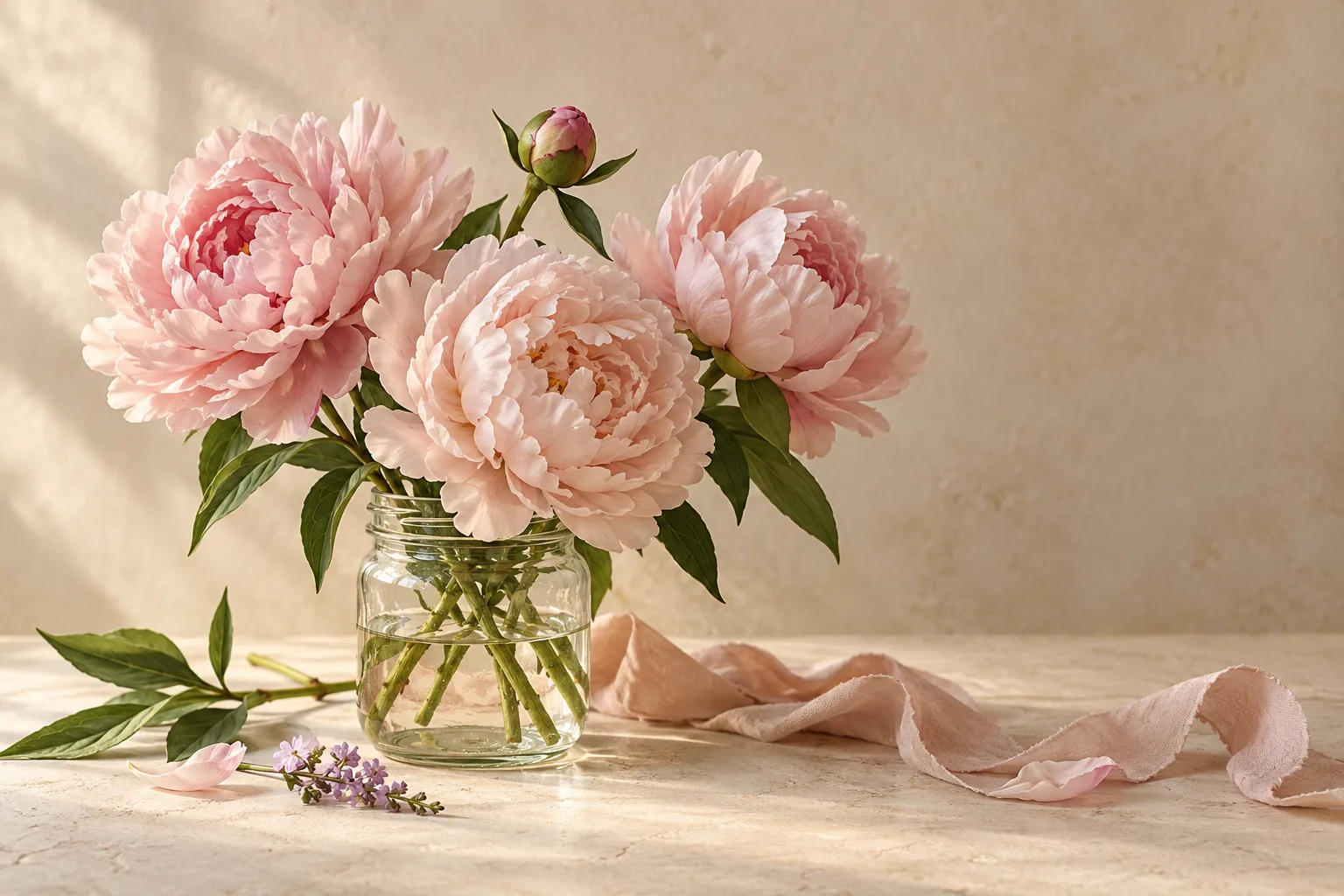

Inside this story
Some illustrations deliver their idea immediately. Others make you pause, look again and notice that a familiar shape is doing two jobs at once. That second reading is one of the pleasures of playful art: the moment a picture becomes a little conversation with its viewer.
I Love Doodle is a useful place to start that conversation. Explore the artist’s own site, then take a little time to look closely at the visual ideas that catch your eye.
Meet the artist through his own work
On his official website, Lim Heng Swee introduces himself as the illustrator and graphic designer behind I Love Doodle, based in Kuala Lumpur, Malaysia. His site brings together art and collections under his own name. Visit it to see the actual work and current information from its creator.
Look for the second reading
When you find an illustration you like, give it two passes. First, notice the broad shapes: where does your eye go before you read a title? Then look again for the relationship between those shapes. Does a line become a horizon? Does a familiar object take on an unexpected role?
You do not need art-school vocabulary to enjoy this. Try describing the picture in a single ordinary sentence. Then describe what changes when you notice the joke. A good piece may stay enjoyable after the surprise is understood because the composition itself still feels satisfying.
Resist the urge to explain the image to everyone immediately. Part of the pleasure of a small visual joke is letting another person discover it for themselves.
Choose a print for the room
Start with the spot where it will live. Measure the available wall, shelf or desk space, then think about viewing distance. A detailed image that rewards looking closely may suit a reading corner; a simpler silhouette can be easier to appreciate across a room.
Before ordering any print, check the actual dimensions, whether the frame is included, the materials, shipping arrangements and the seller’s current terms. A room photograph in a listing can help establish mood, but it is not a substitute for the measurements.
Give the picture a little quiet space. If the artwork contains a visual joke, an adjacent cluster of slogans, patterned objects and competing illustrations may make it harder to notice. Try one piece on its own before deciding that the wall needs more.
Here are three ways to give a small picture a place in a room. Start with the setting, then return to the artwork that you most enjoy looking at.
Swipe to explore, or choose an example below.
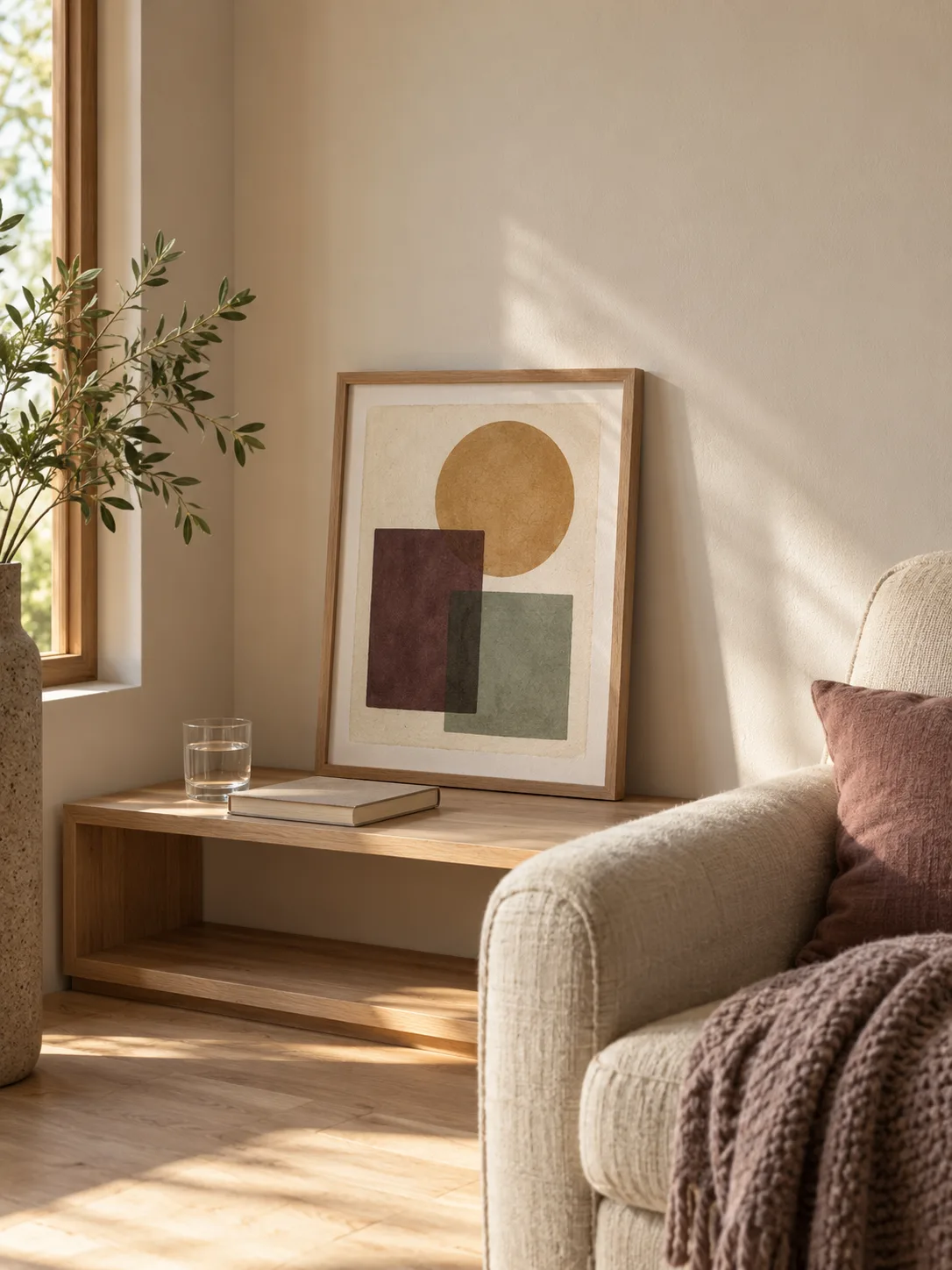
Start with a small corner
A shelf-height frame rewards a closer look. Keep nearby objects few enough that the picture has a clear place in the room.
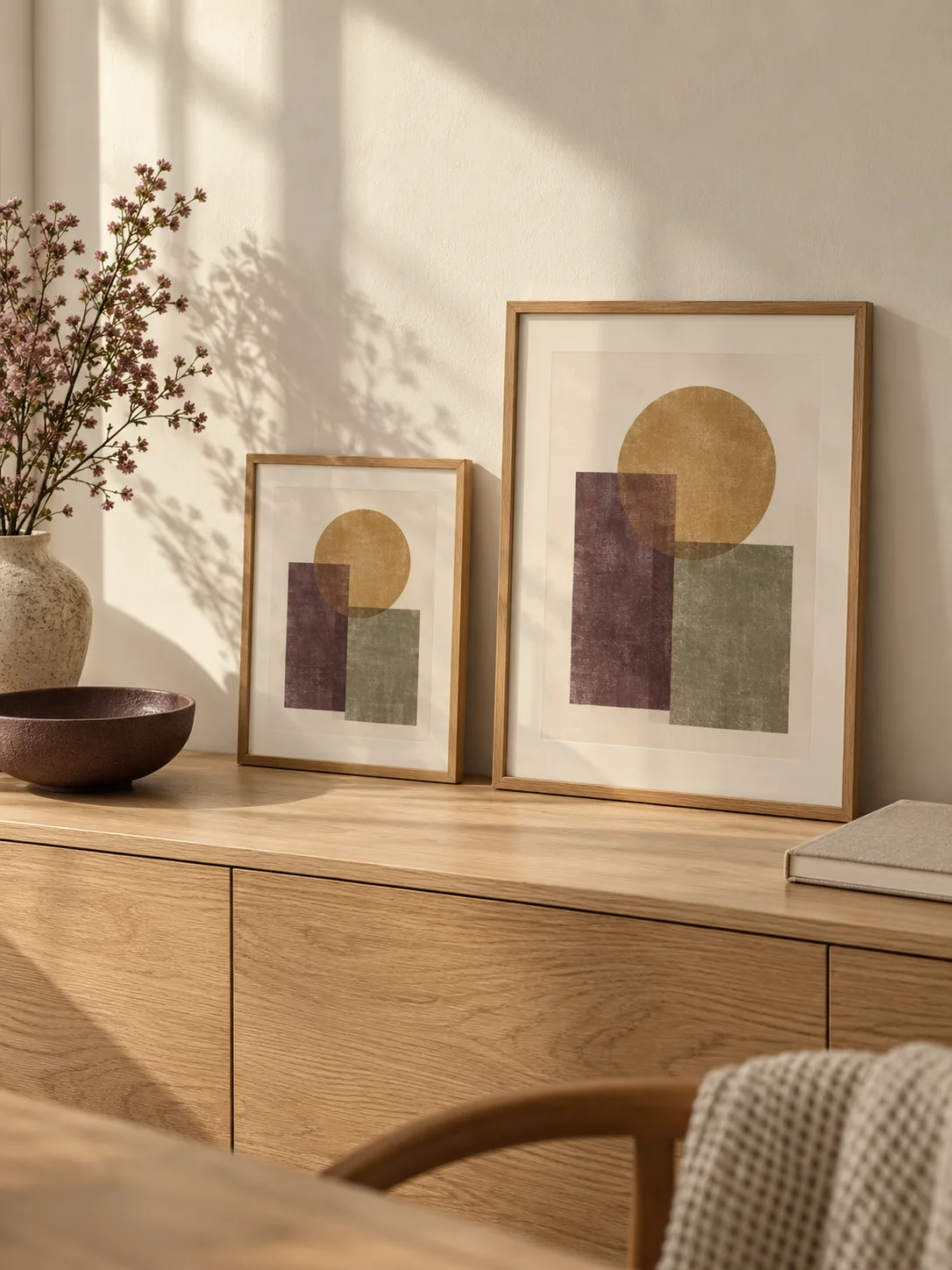
Compare the scale
Look at the available wall and the viewing distance together. A familiar notebook helps make the two frame sizes easier to judge.
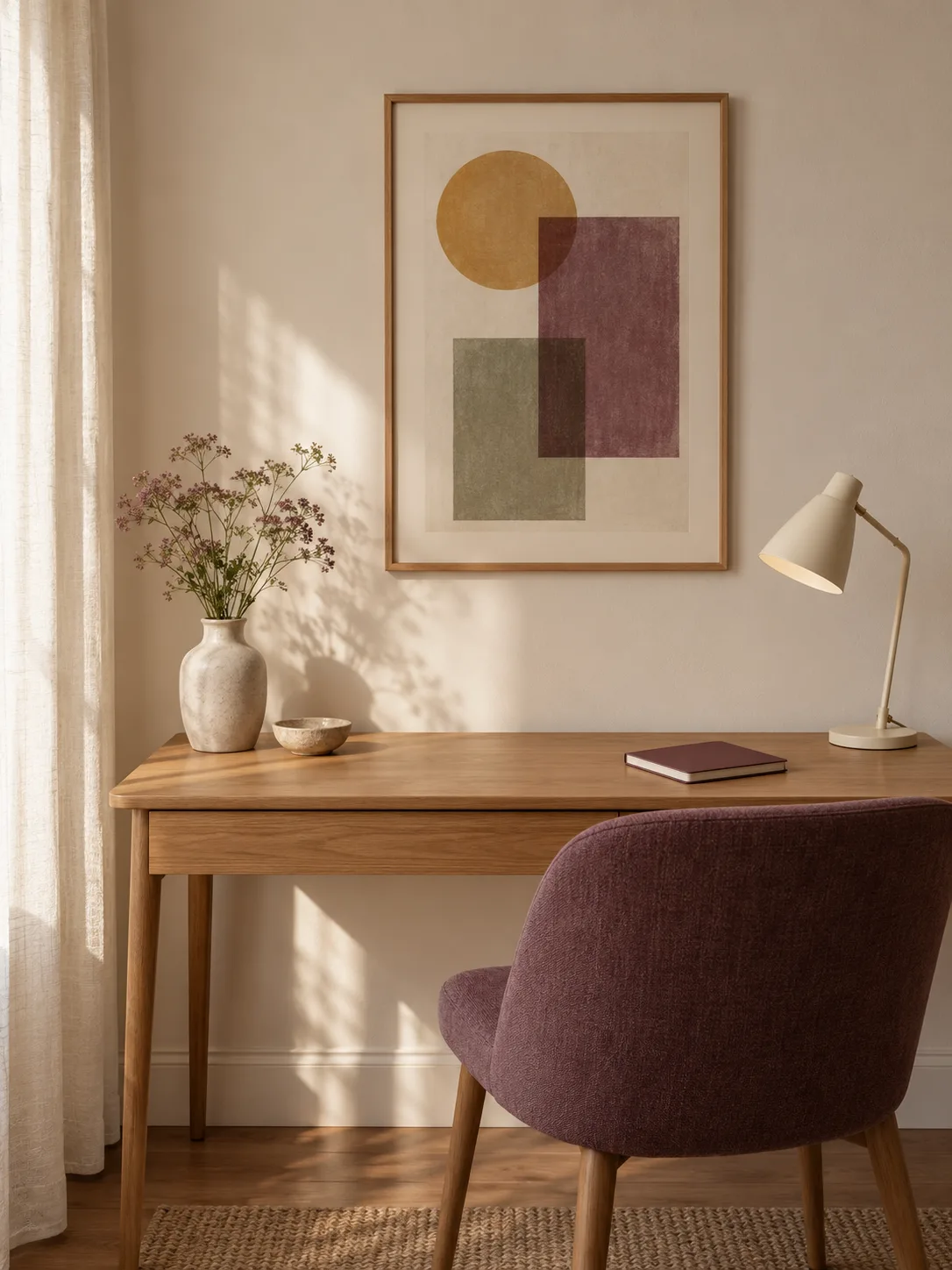
Leave a little quiet wall
Give the frame room to stand on its own. One lamp and a useful clear desk can make a modest picture feel considered.
Make a small art ritual
Save a few favorites, then leave them for a day before choosing. Notice which picture you remember without looking back. That small pause can help you choose a piece you enjoy living with, rather than one that simply matches the room.
For current work, start with the official I Love Doodle website. For another everyday object with a visual twist, explore our hamburger-shoes design story.